Arthur Hellmer was a prominent theater director and cultural entrepreneur whose career spanned the German-speaking cultural world from Habsburg Vienna to postwar Hamburg. Born Arthur Ehrlich on 29 June 1880 in Thomasdorf (Austria), he grew up in Vienna in a Jewish family that had emigrated from Austrian Silesia. Against his family's wishes — who expected him to take up a respectable bourgeois profession — he studied drama in secret at the Vienna Conservatory's drama school (today the University of Music and Performing Arts Vienna, mdw), the city's pre-eminent training ground for the German-language stage. He used the name Arthur Hellmer from the start of his career and formally adopted it in 1922.
He was the last Jewish theater director in Germany before the Second World War, and the first Jewish director to return after it — a biography that traces, in a single life, the rise, destruction, and slow reconstruction of German-language theater in the twentieth century.
Early career, 1901–1910
Hellmer began acting in young-lover roles at the Stadt-Theater Barmen (1901/02), then Lübeck (1902–04), Berlin's Schiller-Theater (1904/05), and Frankfurt's Residenz-Theater and united municipal stages (1905–1911), where he played leading youthful roles.
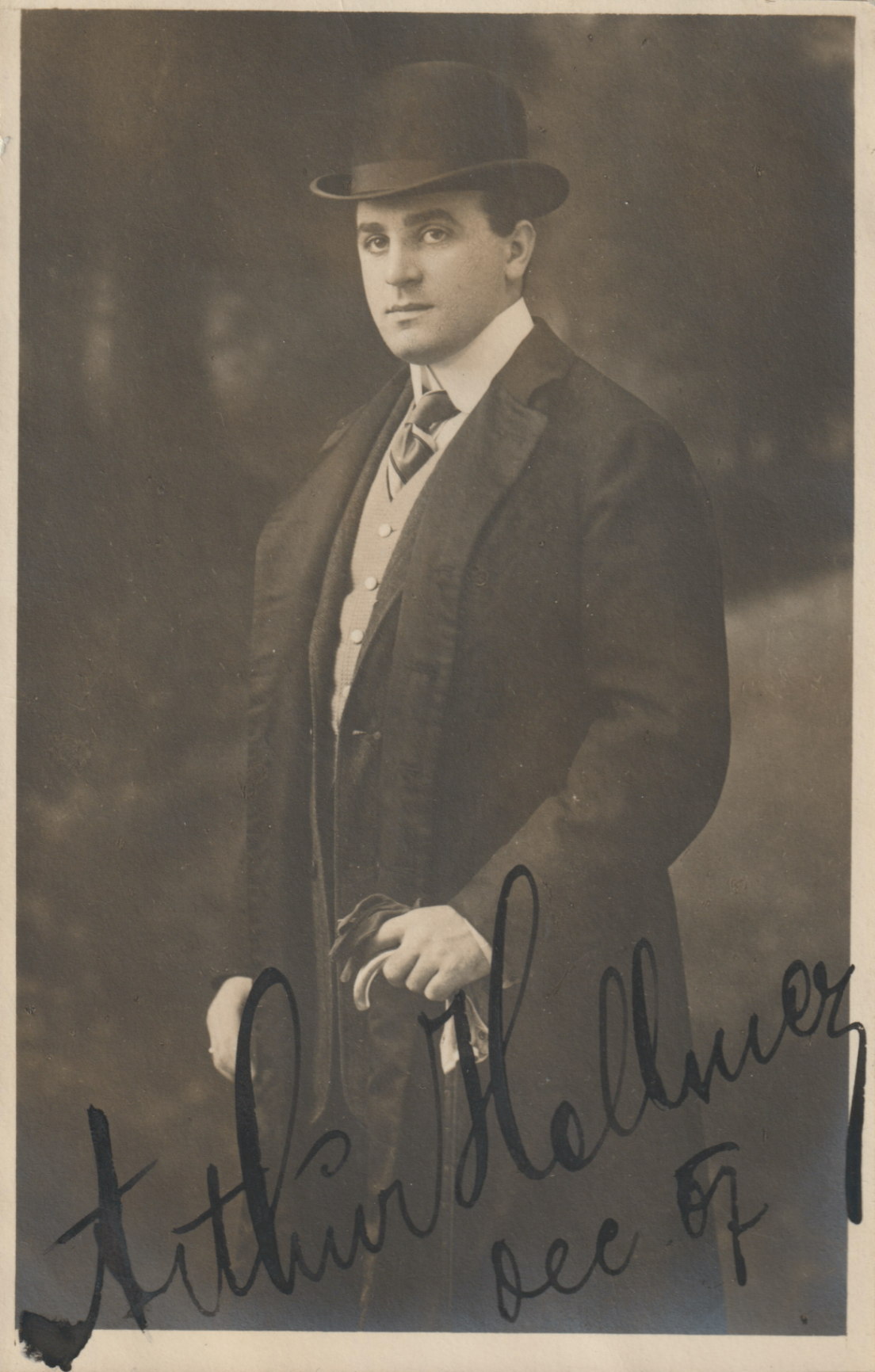
December 1907
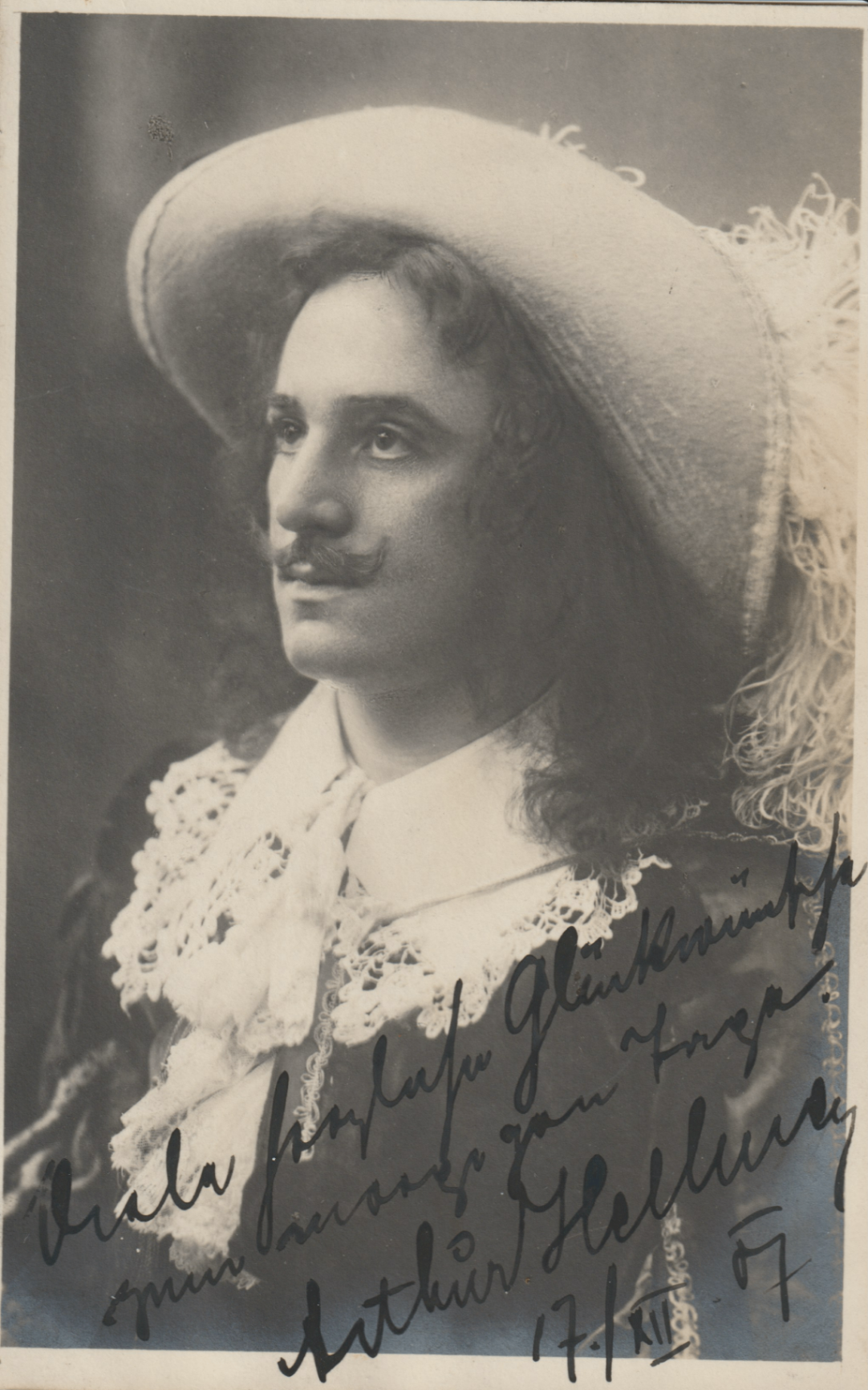
17 December 1907
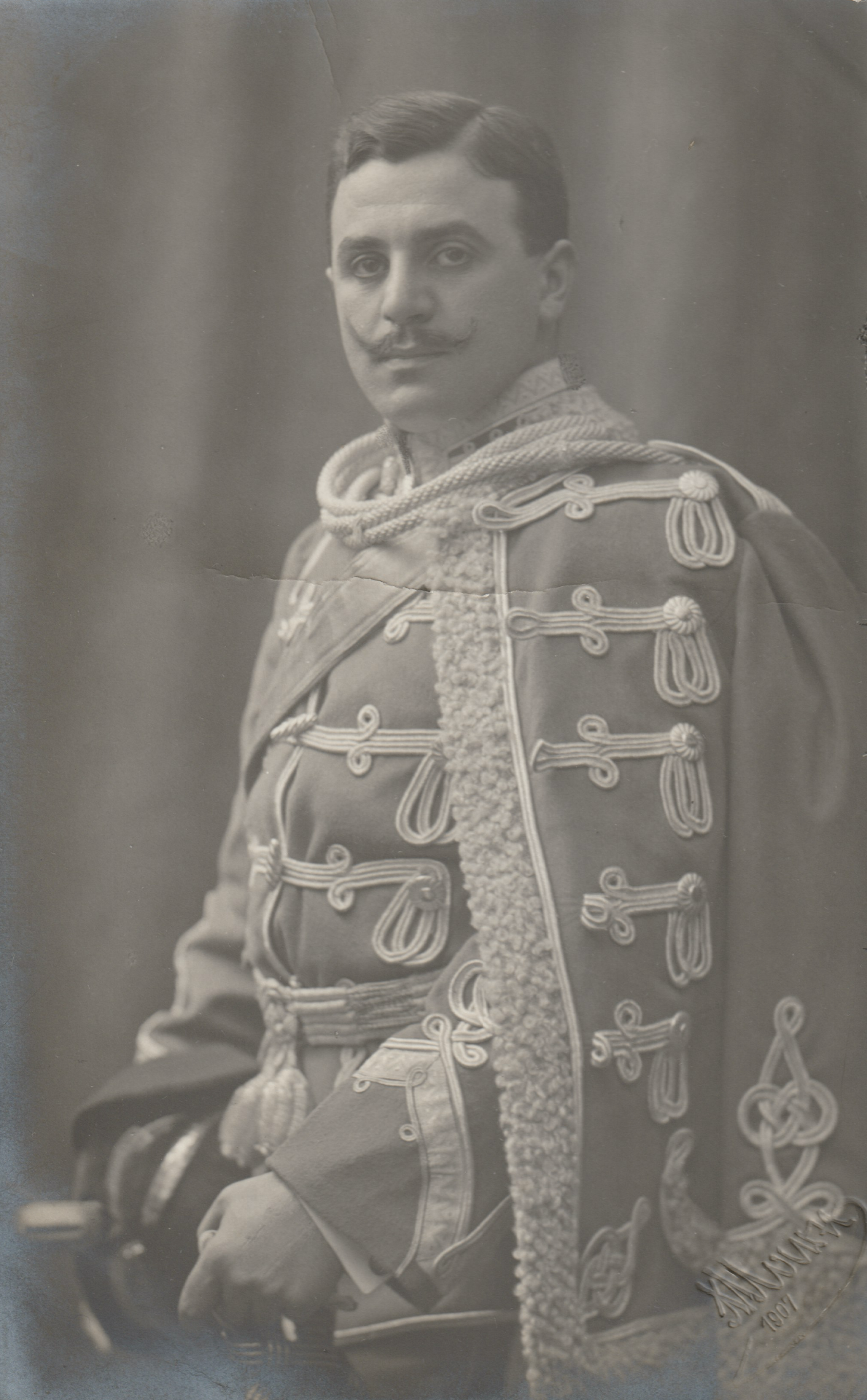
1907
Studio portraits from Hellmer's early years as a leading-youth actor, 1907.
In August 1908 Arthur became engaged to Marie "Mitzi" Breitenfeld, from Vienna. She was the niece of the celebrated Austrian baritone Richard Breitenfeld (1869–1944), who sang at the Frankfurt Opera from 1899 until his death — a family connection that may have helped draw Arthur to Frankfurt, where he would soon build the Neues Theater. The couple married shortly after, and Mitzi remained his partner through the Frankfurt years, exile, and beyond.
The Neues Theater, 1911–1935
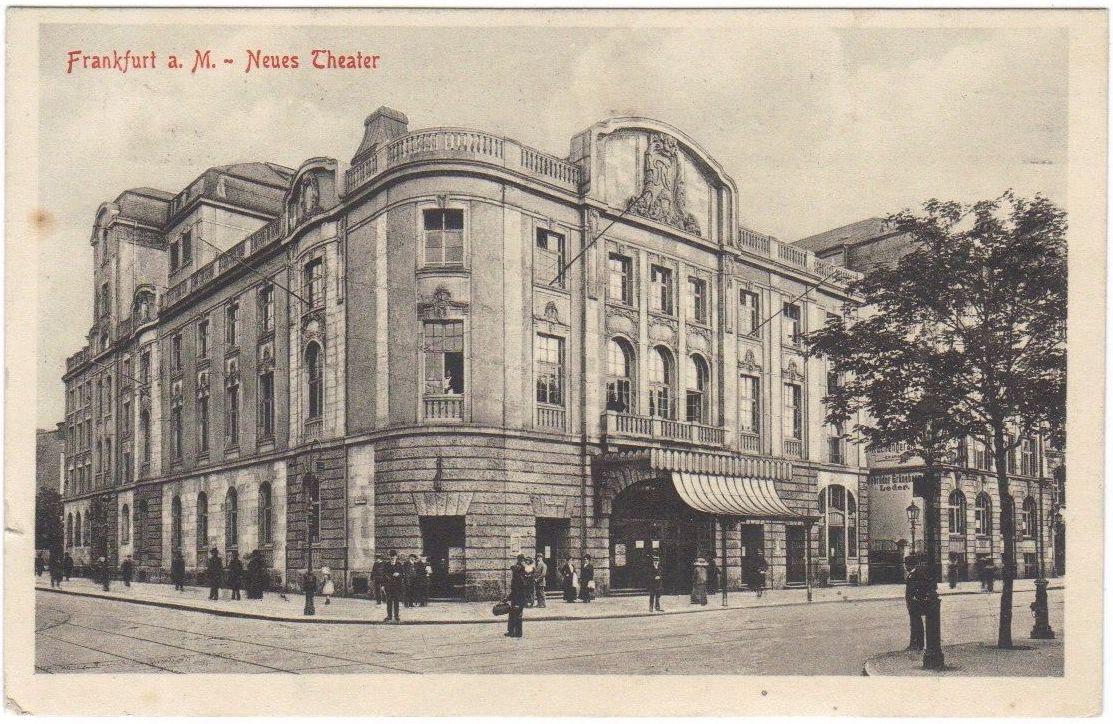
In 1910 Hellmer formed a company to build the Neues Theater in Frankfurt, financed largely by donations from the city's affluent bourgeoisie — among them the banker Maximilian von Goldschmidt-Rothschild, then reputed to be the wealthiest man in the German Empire. It opened on 11 September 1911 with Kleist's Der zerbrochne Krug. For twenty-five years — twenty of them as sole owner and director (1920–1935) — Hellmer ran it as one of the most successful private theaters in Europe: more than nine hundred premieres, an admired modern repertoire, and a reputation that reached well beyond Frankfurt. In parallel he founded the Frankfurter Kammerspiele (1920–22) and the theater journal Der Zuschauer (1919).
"More than nine hundred premieres, among them many world and German premieres — a house famous far beyond Frankfurt for its admired repertoire and its nurturing of young talent."
"The most important stage for the success of Expressionist drama was the Frankfurt Neues Theater, under its director Arthur Hellmer who ushered in a new epoch in the history of German theater…."
Hellmer championed modern and expressionist drama, working with and premiering the writers and playwrights of his age — Stefan Zweig, Arthur Schnitzler, Georg Kaiser, Carl Zuckmayer, Bertolt Brecht, George Bernard Shaw, and the painter-dramatist Oskar Kokoschka among them. His ensemble and guests included Hans Albers, Helene Weigel, Käthe Dorsch, Marianne Hoppe, Theo Lingen, Günther Lüders, Trude Hesterberg, and Eugen Klöpfer.
The Hellmer-Bühnen, Berlin, 1925–1926
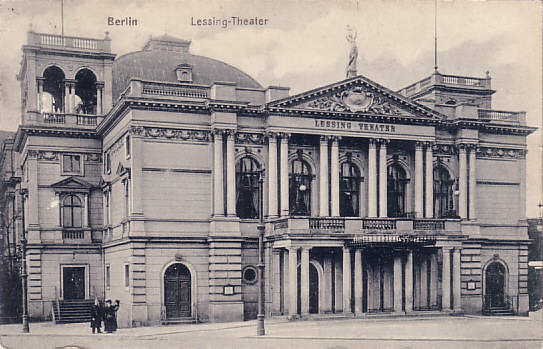
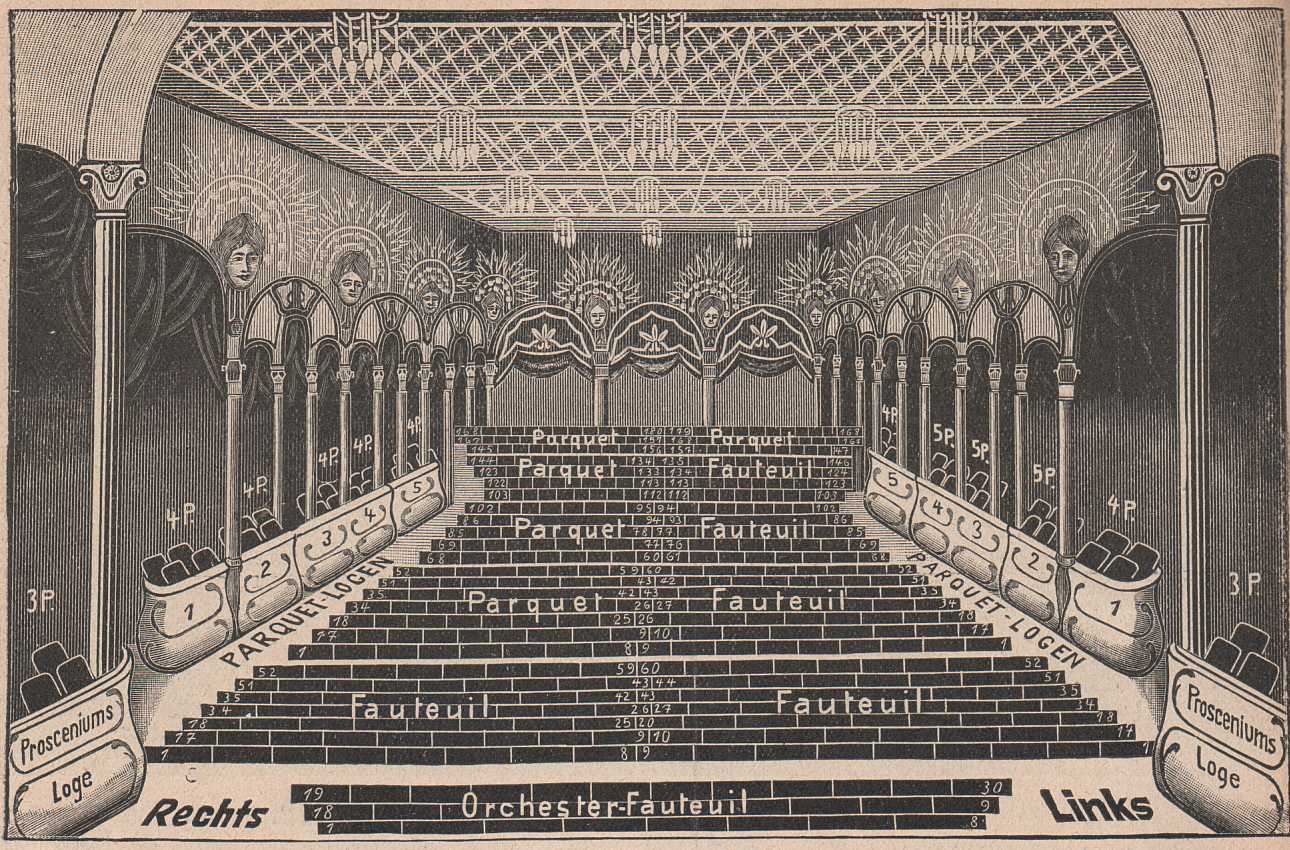
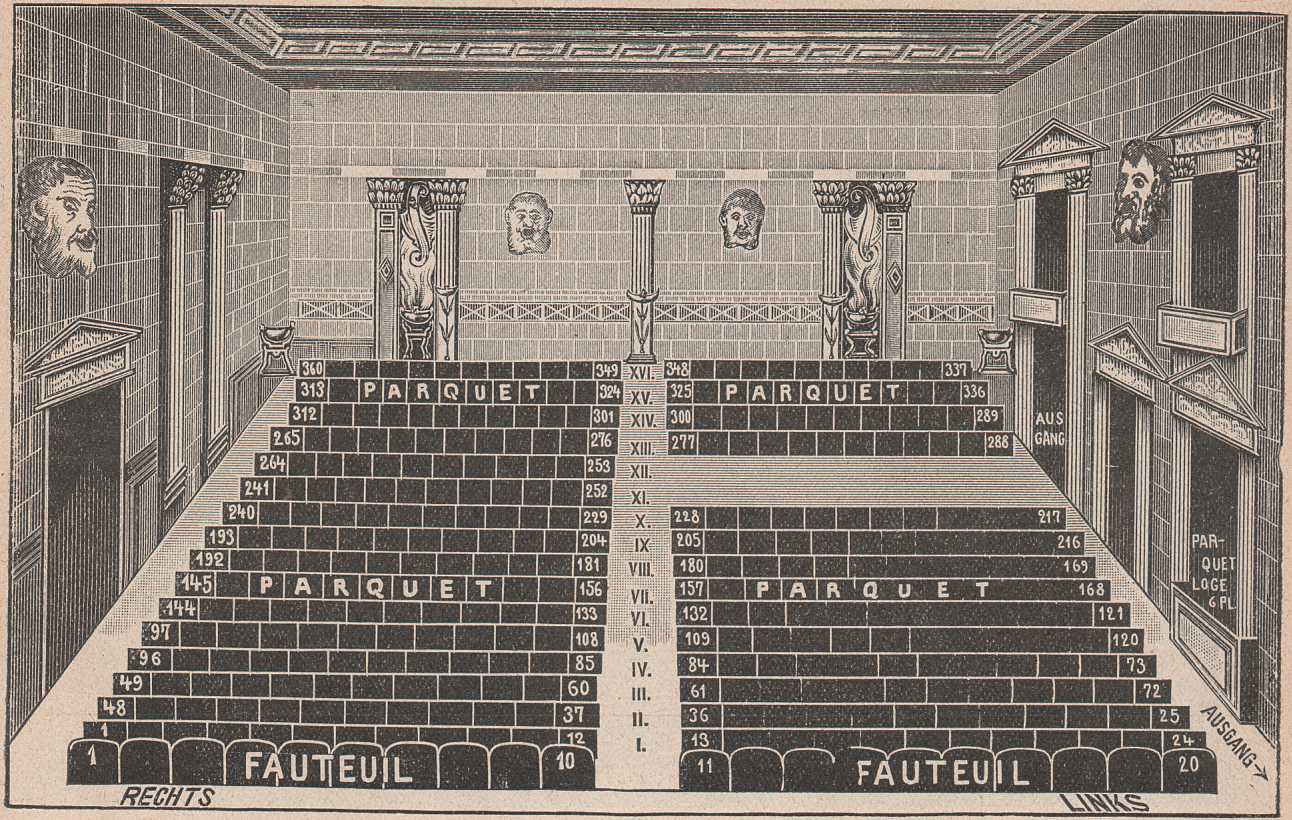
At the height of the Neues Theater's success, Hellmer extended his operations to Berlin — then the undisputed capital of German theater — producing under the collective name Hellmer-Bühnen ("Hellmer Stages"). Between 1925 and 1926 he mounted productions at three of the city's most prominent venues: the Lessing-Theater, the Trianon-Theater, and the Kleines Theater. This expansion brought his Frankfurt ensemble and repertoire to the wider Berlin public, consolidating his reputation as one of the leading theatrical entrepreneurs of the Weimar Republic.
Vienna, exile, internment, 1936–1945
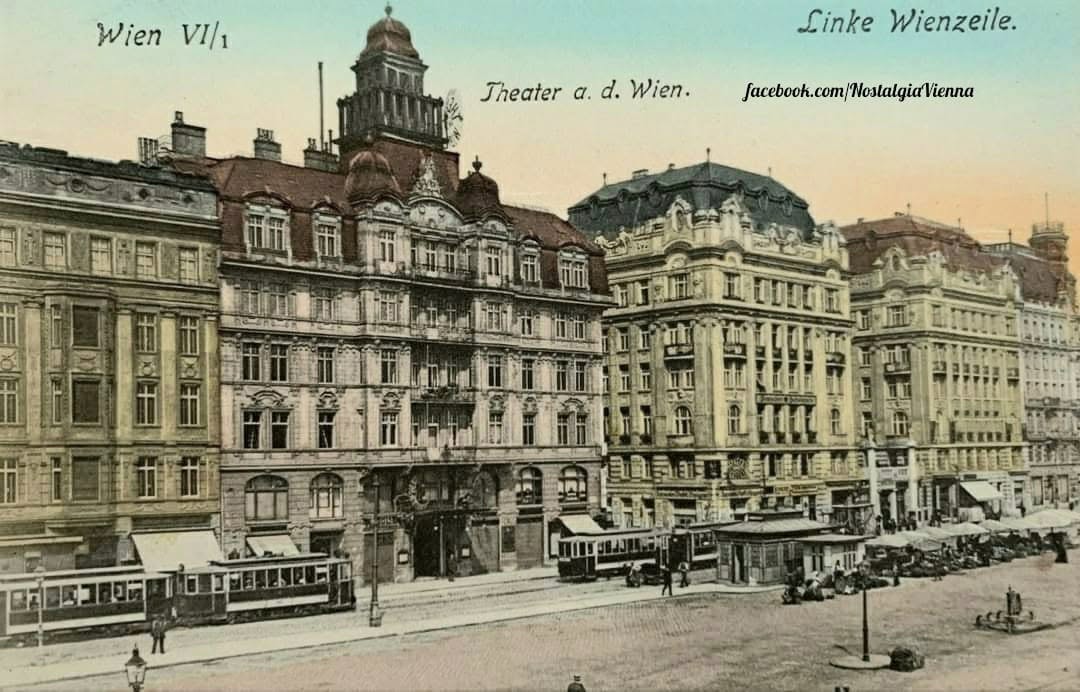
By 1935 Hellmer had become the last non-Party theatre director still permitted to run a house in Germany. When a conflict with the Reich Theatre Chamber (Reichstheaterkammer) finally forced him out, Vienna moved quickly to recruit him: Die Stunde reported that autumn that "one of the best-known German theatre directors" had arrived to take over the Theater an der Wien. In November 1935 he signed the lease, and from 1936 to 1938 he served as owner and director of the house.
His first season opened triumphantly on 1 September 1936 with the world premiere of Ralph Benatzky's Hollywood satire Axel an der Himmelstür. When the original leading lady withdrew at the last minute, Max Hansen recommended an unknown Swedish contralto, Zarah Leander; Benatzky rewrote and transposed the role of Gloria Mills for her deep alto. The result was an overnight sensation — the Neue Freie Presse hailed Leander as the "Greta Garbo of operetta" — and the show ran for more than one hundred consecutive performances before she left for a Ufa film contract. Songs such as the bluesy "Gebundene Hände," the tango "Gute Nacht" and the manic "In Holly-Holly-Hollywood" became staples of her concert repertoire for decades.
The 1937 season confirmed the Theater an der Wien as a major European stage. Hellmer assembled a star ensemble that included Max Hansen, Fritzi Massary, Paula Wessely, and Attila Hörbiger, and presented a string of premieres — among them the Viennese premiere of Benatzky's Die Dreigroschenoper and the Austrian premiere of Madame Sans-Gêne. Plans for 1938 were equally ambitious, including a new Richard Tauber operetta held back only because Tauber and Hansen were touring Australia.
The Anschluss on 12 March 1938 ended everything. Three days later Hellmer was stripped of his position and ownership stake, and — in an act of public humiliation — forced to scrub by hand the piles of shoes heaped on the pavement in front of the theater. A vicious antisemitic attack in the Völkischer Beobachter later that month named "der Frankfurter Jude Arthur Hellmer" explicitly, twisting his successes — discovering Zarah Leander, importing his Frankfurt-honed literary premieres — into proof of Jewish influence over Viennese culture. That article marked the true end of his Vienna career: by force, not by choice. He was arrested soon afterwards and imprisoned. Following the November 1938 pogrom he sold the Neues Theater to the City of Frankfurt, and on 6 July 1939 sailed from Genoa to Southampton aboard the Njassa (Deutsche Ost-Afrika Linie), settling first at Aberdare Gardens in north-west London.
In London, Arthur Hellmer became a member of the directorate of the Free German League of Culture (FDKB), founded in the spring of 1939. Alongside him, the FDKB's board included Berthold Viertel, Oskar Kokoschka, Stefan Zweig, Alfred Kerr, and Wilhelm Unger.
Internment on the Isle of Man
In the spring of 1940, as the British government rounded up German and Austrian refugees as "enemy aliens", Hellmer was detained — on or around 30 May 1940, by way of the Bow Street Magistrates' Court — and transported to one of the internment camps on the Isle of Man. He spent his imprisonment as he had spent his liberty: making theater. Inside the wire he staged, among other things, the Prologue in Heaven from Goethe's Faust and the mechanicals' play from Shakespeare's A Midsummer Night's Dream.
On 24 August 1940 he gave the overall direction (Gesamtleitung) of a camp revue, Auf der Fest-Wiese, with a cast of fellow internees who would soon become familiar names on the British and German-speaking stage and screen — among them Peter Illing, Eric Pohlmann, Emil Rameau, and Milo Sperber. The original programme survives in the archive of the Akademie der Künste, Berlin.
Sources: Handbuch des deutschsprachigen Exiltheaters 1933–1945; UK Incoming Passenger Lists (TNA BT 26/1185/10); HO 396/177 & HO 396/258; Manx National Heritage Library & Archive Service, Internee Questionnaire (2026); Ludwig Dewitz diary.
Once released, he became one of the leading figures of the German-speaking exile culture in London: founder of the Österreichische Bühne and the Lessing-Bühne, a guiding presence in the theater of the Freier Deutscher Kulturbund (Free German League of Culture), and co-founder of Club 1943, the émigré discussion circle that brought together writers, scientists, and artists driven out of Central Europe. He served as Schatzmeister (treasurer) of the Club's board, chaired by the playwright Hans J. Rehfisch, alongside Hermann Friedmann, Hans Jaeger, Rudolf Bernauer, Karl Theodor Bluth, Adele Schreiber, Wilhelm Sternfeld, and others.
Return and recognition, 1946–1961
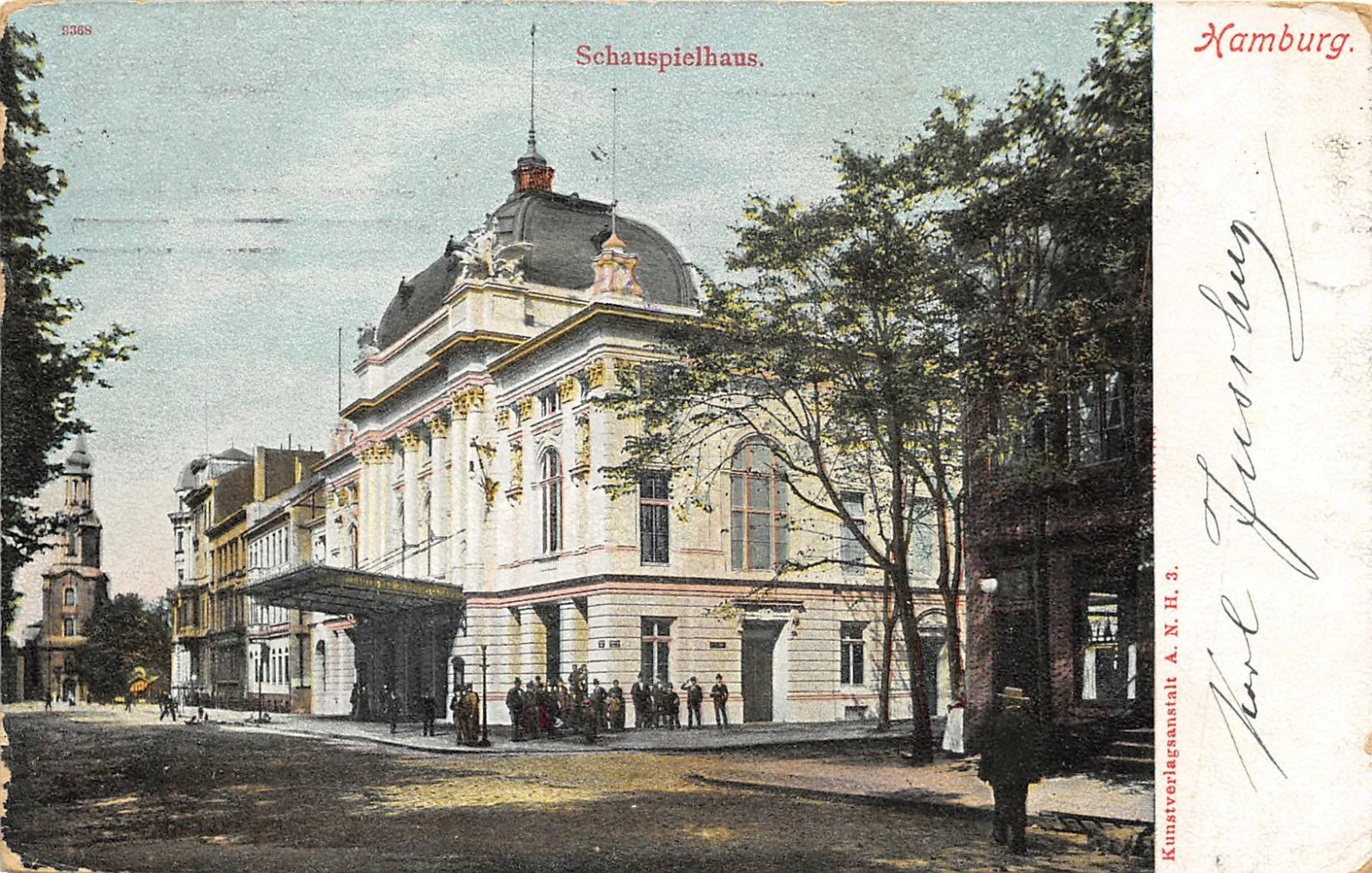
In 1946 Hellmer returned to Germany as Intendant of the Deutsches Schauspielhaus in Hamburg — the largest drama theater in the country — becoming the first Jewish theater director to take up such a post in postwar Germany. He led the house until 1948, shaping the cultural life of the early Federal Republic. He died in Hamburg on 16 January 1961 and is buried at the Ohlsdorf Cemetery.
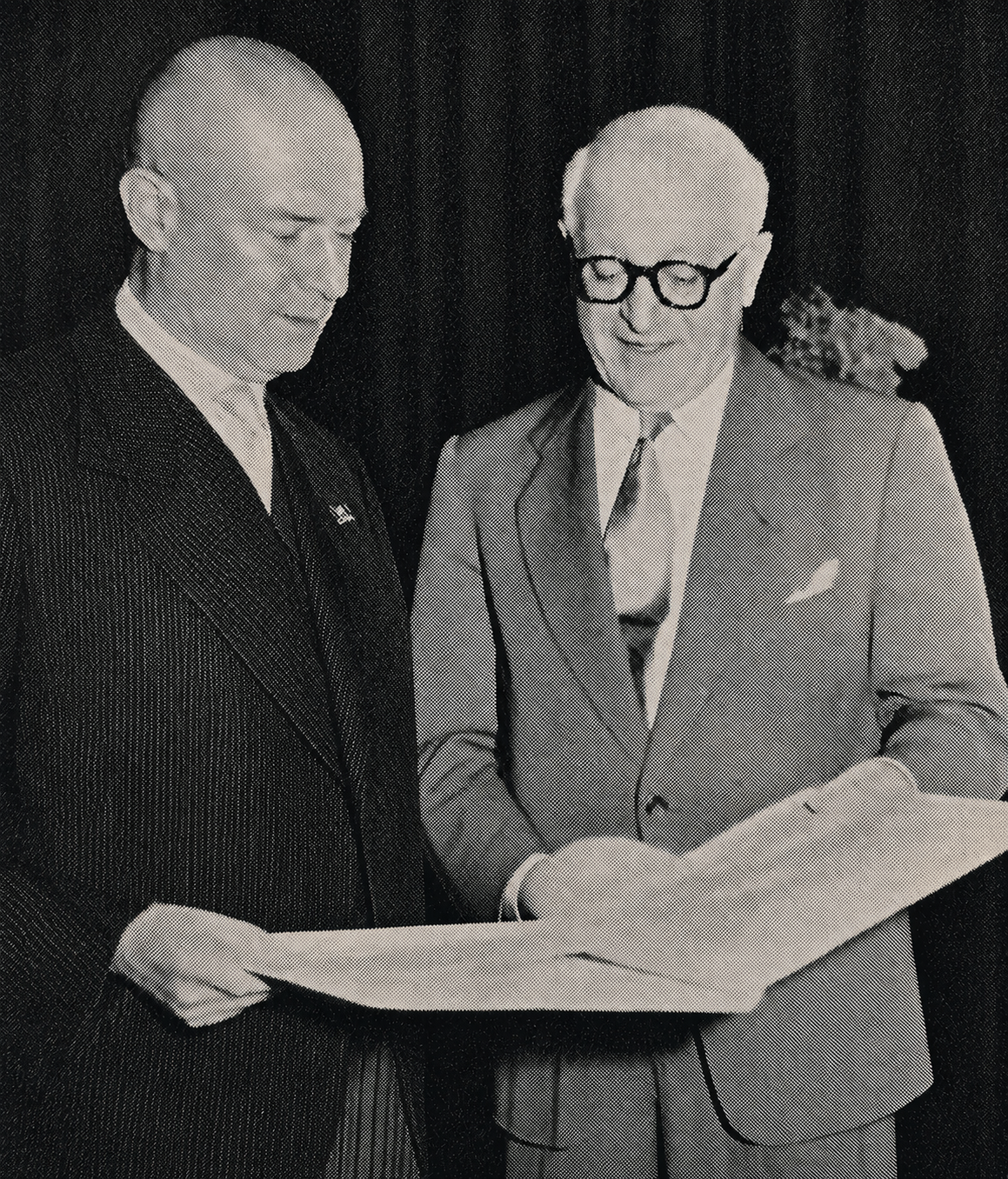
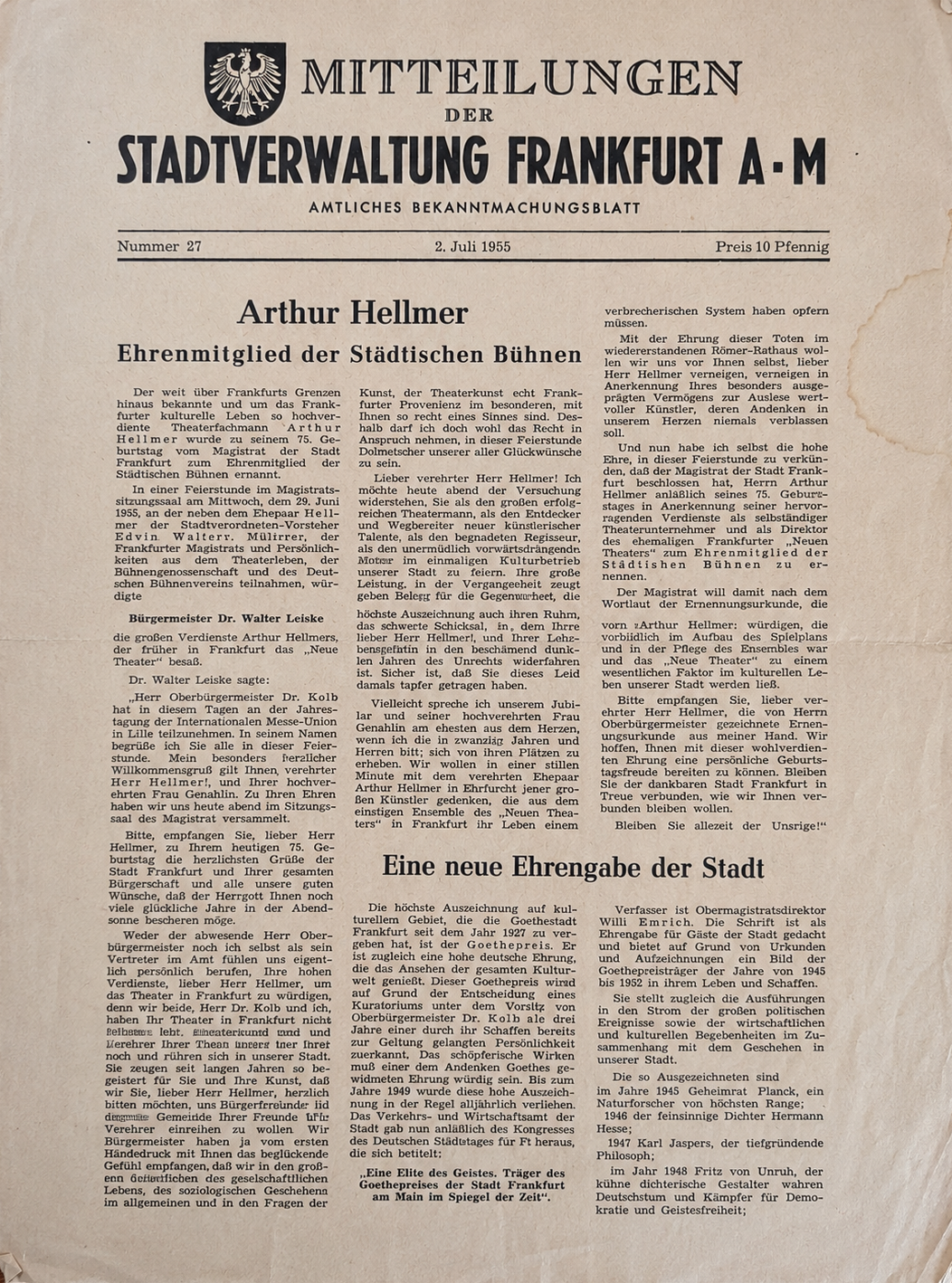
On 29 June 1955, the occasion of his 75th birthday, Mayor Walter Leiske and the Frankfurt city council appointed Arthur Hellmer an honorary member of the Municipal Theaters, recognizing his decades of service as founder and director of the former Neues Theater and as a promoter of Frankfurt's theater and cultural life. In the same year President Theodor Heuss awarded him the Bundesverdienstkreuz (West German Medal of Merit), and the Republic of Austria conferred upon him the honorary title of Professor.
His son Kurt Hellmer (1909–1975) worked as a dramaturg at the Neues Theater before fleeing to New York, where he was active in anti-Nazi and German-language theater production, radio broadcasting, and publishing, becoming a theater director and literary agent in his own right.
Note: some sources give the death date as 12 January 1961 and the birthplace as Vienna. These values are treated as editable and may be reconciled as new evidence emerges.