A digital archive · est. MMXXVI
ARTHUR
HELLMER
1880 — 1961
Actor · Director · Intendant. The last Jewish theater director/owner in Germany before the war — and the first to return after it.
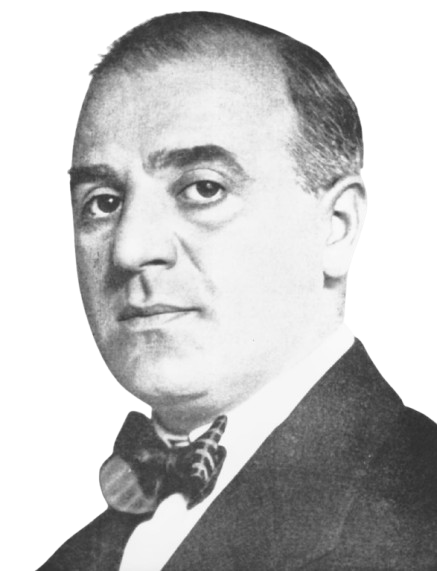
The proof
A quarter-century at the head of one of Europe's most successful private theaters.
0+
Premieres
German and world firsts staged at the Neues Theater, Frankfurt
0
Years
as sole owner and director of the Neues Theater
0
Theaters
Frankfurt · Vienna · Hamburg
0+
Years on stage
From the Vienna Conservatory to postwar Hamburg
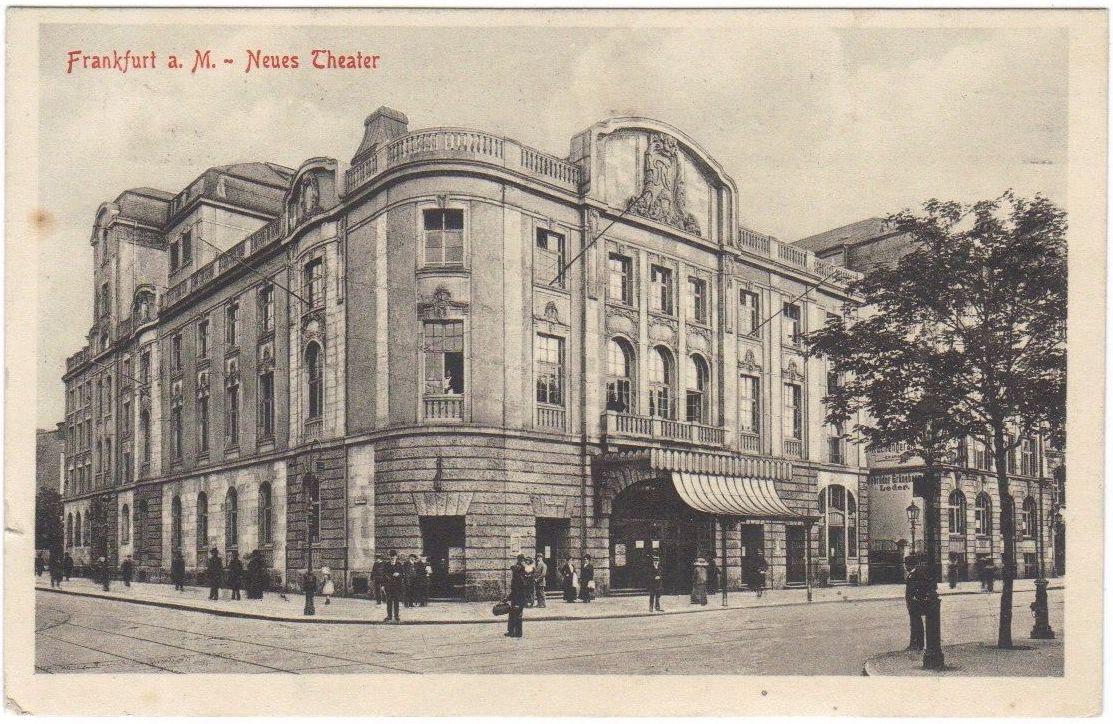
Arthur Hellmer — born Arthur Ehrlich in 1880 — was one of the most consequential figures in the German-language theater of the early twentieth century. In 1911 he opened the Neues Theater in Frankfurt am Main, a house celebrated for its modern repertoire, its more than nine hundred premieres, and its nurturing of a generation of actors who would define the Weimar stage.
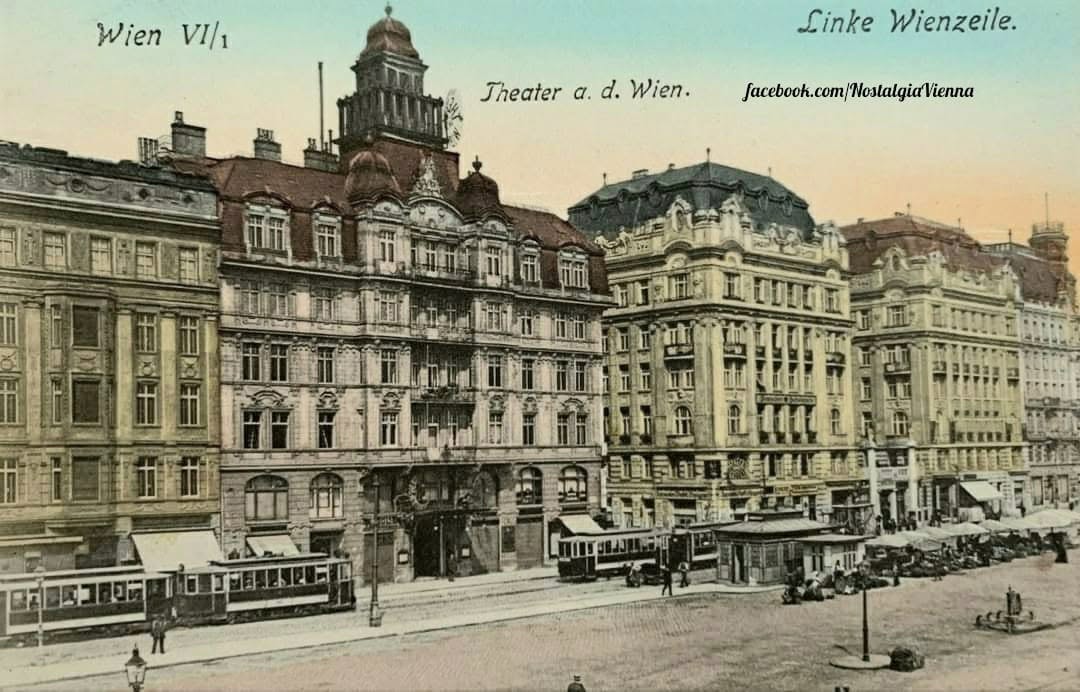
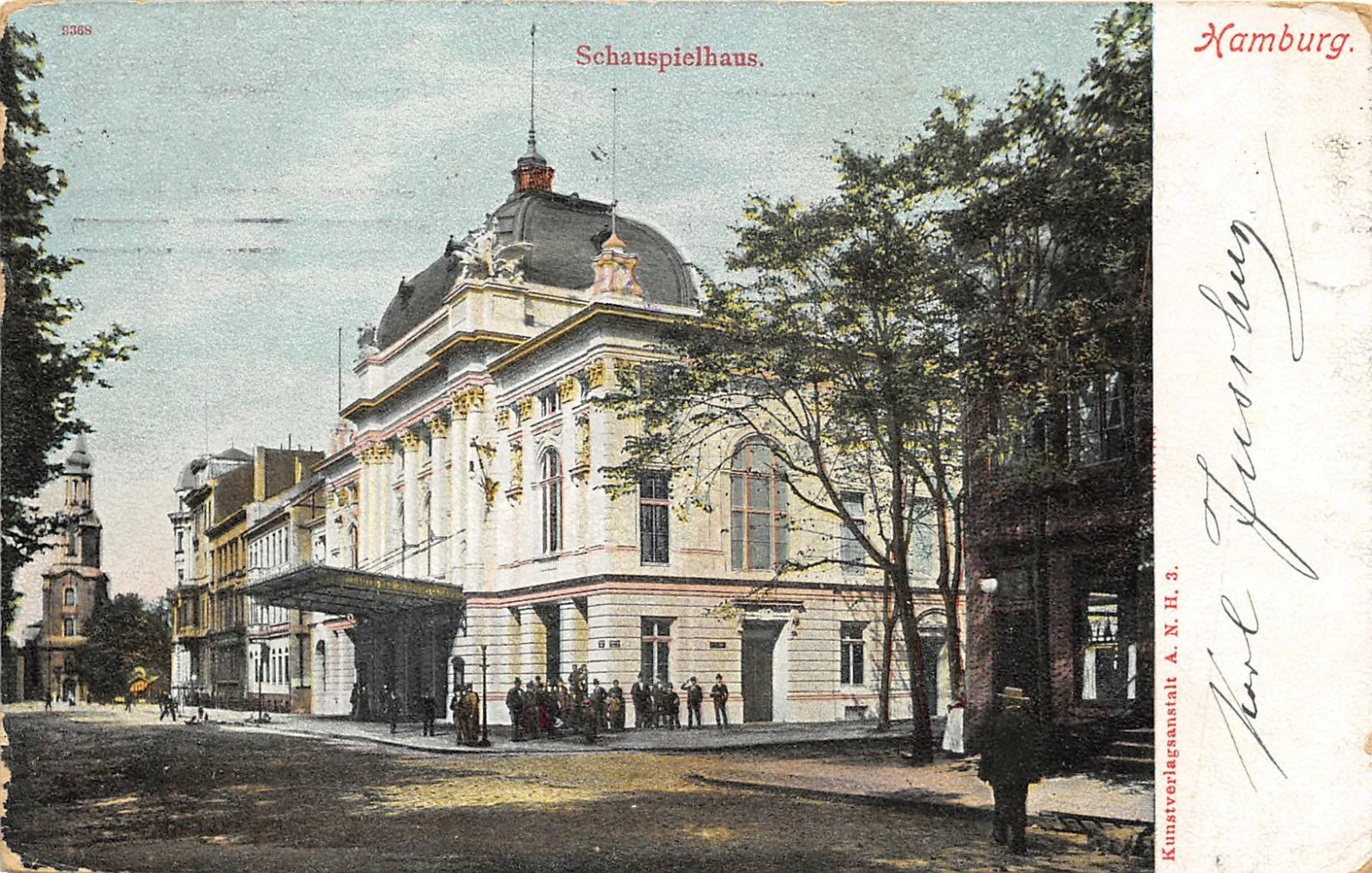
Forced from Frankfurt in 1935 and from the Theater an der Wien after the Anschluss, he kept German-language theater alive in London exile before returning to lead Hamburg's Deutsches Schauspielhaus in the years of postwar reconstruction. President Theodor Heuss awarded him the Bundesverdienstkreuz in 1955.
The work
Three theaters, three eras.
Beyond the stage
The exile institutions
From an internment barracks on the Isle of Man to the lecture rooms of wartime London — keeping German-language culture alive when it had been banished from its homeland.
Co-organiser · London, 1938 →
Freier Deutscher Kulturbund
The most important association of German-speaking refugee artists in Britain.
Co-founder · London, 1943
Club 1943
A weekly forum for émigré writers, scientists and theater people.
Founder · London
Lessing-Bühne & Österreichische Bühne
Two stages he created to keep German and Austrian drama alive in exile.
Bundesverdienstkreuz
Awarded by President Theodor Heuss, 1955
Professor h.c.
Honorary title conferred by the Republic of Austria
Timeline
A life across eight decades
Theaters directed, addresses kept, journeys taken — a chronological spine.
Read →
Network
A web of correspondents
An interactive graph of seventy-eight letters and the figures behind them.
Read →
Sources
Where the record is held
Archives, biographical dictionaries, and the family collection.
Read →